 comparison
Full-service or self-pack moving: which suits you?
Last Updated: October 25, 2026
Quick Summary
Full-service moving self-pack options differ fundamentally: full-service means professionals handle packing, loading, transport and unloading, whilst self-pack means you do the packing yourself and the removal company provides the vehicle and transport. Your choice depends on your possessions, available time, and priorities.
- Self-pack packing typically takes 40-60 hours if working alone or with family
- Full-service moving costs more upfront but includes professional expertise and insurance coverage for damage
- Self-pack moving requires you to source boxes, tape, bubble wrap and other materials yourself
- Full-service suits valuable or fragile items, limited time, or complex moves
- Self-pack works best for limited possessions, flexible time, and straightforward moves without specialist handling needs
Table of Contents
- Full-service moving vs self-pack: what's the real difference?
- How full-service removals work
- What self-pack removals involve
- Cost of packing services and what affects the price
- How to pack for moving house: self-pack essentials
- Time, effort and convenience: weighing your options
- DIY house move checklist for those packing themselves
- When full-service makes sense, and when self-pack does too
- Getting a quote that matches your moving needs
- Frequently Asked Questions
Full-service moving vs self-pack: what's the real difference?
The choice between full-service moving and self-pack options shapes not just your budget, but your entire relocation experience. At Fletcher Removals and Storage, we've helped hundreds of families and businesses navigate this decision, and the answer rarely comes down to cost alone.
Full-service moving means professionals handle everything: packing, loading, transport, and unloading. Self-pack moving means you do the packing yourself, and the removal company provides the vehicle and transport. The difference between these full-service moving and self-pack approaches affects your time, stress levels, and how well your possessions arrive at the other end.
The real question isn't which option is objectively better. It's which one matches your situation. A busy professional with antique furniture has different needs than a student moving a flat's worth of belongings. Understanding what each approach actually involves helps you make that call without second-guessing yourself later.
How full-service removals work
Full-service moving means the removal company takes responsibility for your entire move. Professional staff arrive with materials, pack your belongings systematically, load them safely, transport them, and unload them at your new home. You're not just paying for a van and driver, you're paying for expertise and accountability.
The process typically starts with a survey of your home. The removal team assesses what needs moving, identifies items requiring special handling, and estimates how many trips or how much vehicle space you'll need. This is where experience matters.
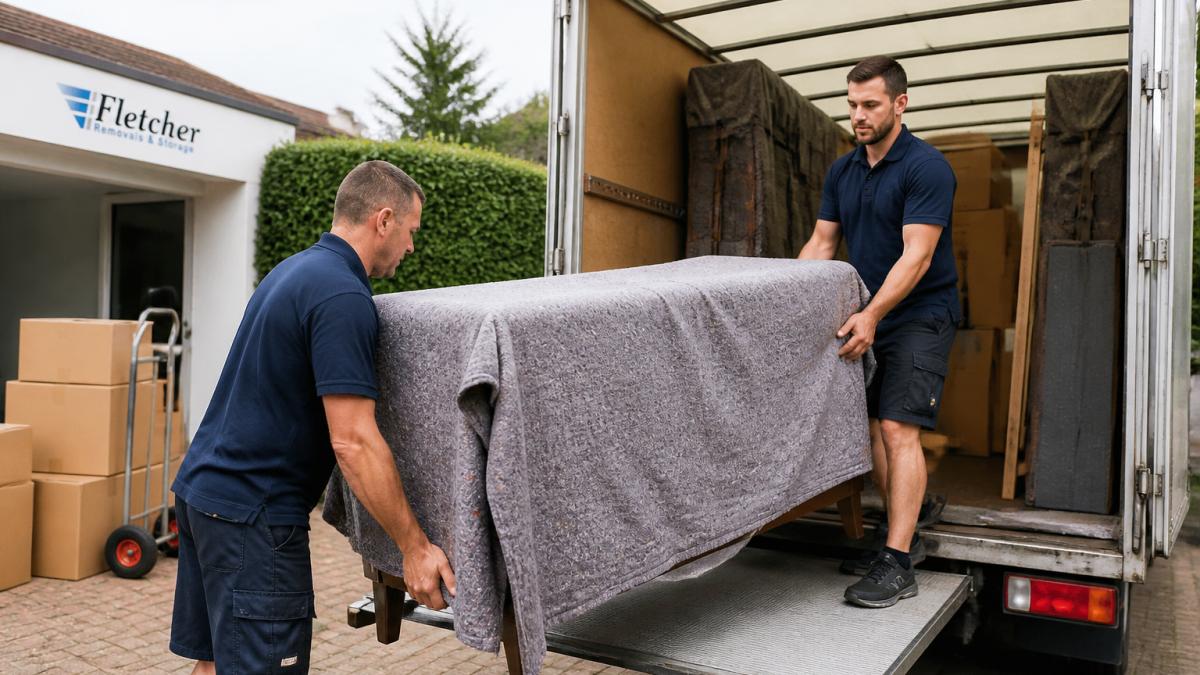
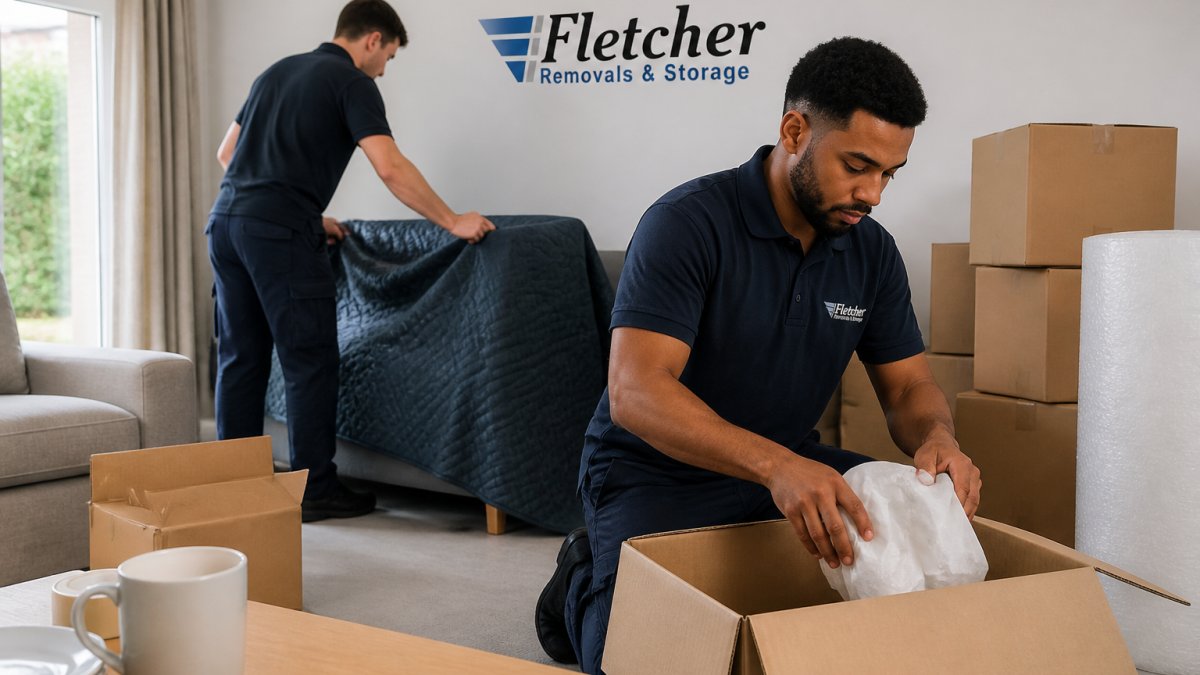
On moving day, the crew arrives with boxes, tape, bubble wrap, and blankets. They work methodically through your home, wrapping items, labelling boxes, and loading the van in a logical sequence. Fragile items get extra protection. Furniture gets dismantled where needed and reassembled at your new address. The team handles heavy lifting, awkward angles, and tight spaces. You can stay out of the way or oversee the process, either way, the responsibility sits with them.
When your belongings arrive, the team unloads everything, places items in the rooms you specify, and takes away used materials. The entire process removes the physical and logistical burden from you.
What self-pack removals involve
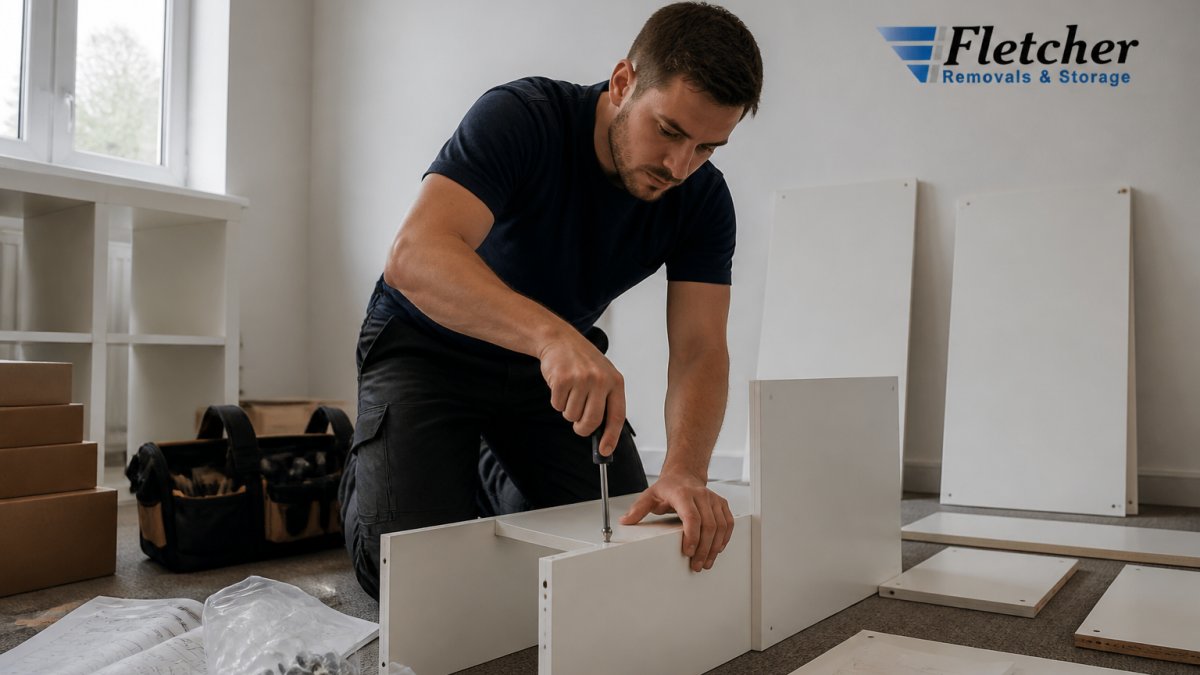
Self-pack moving puts the packing responsibility on you. The removal company provides the vehicle, driver, and transport, but you do the packing. You decide what goes where, how items are wrapped, and how boxes are loaded (within safety limits).
This approach works well if you're selective about what you're moving or want to control the packing process. You know your possessions best. You understand which items are fragile, which can be compressed, and which need special care. For some people, that control feels reassuring.
The trade-off is time and physical effort. Packing a three-bedroom house typically takes 40-60 hours if you're working alone or with family. That's roughly a week of evenings and weekends, or several full days. You'll need to source boxes, tape, bubble wrap, and other materials. You'll spend time wrapping items individually, deciding what goes in each box, and labelling everything clearly.
On moving day, the removal team arrives to load your pre-packed boxes and furniture. They handle the heavy lifting and driving, but they're not responsible for how items were packed. If a box breaks because it was overstuffed, that's not their liability. If something fragile wasn't wrapped properly, the damage falls on you.
Cost of packing services and what affects the price
Pricing for both full-service and self-pack moving depends on several factors. The distance you're moving, the volume of items, the complexity of the move, and the time of year all influence the cost.
Full-service moving costs more upfront because you're paying for labour, materials, and professional expertise. Professional packing also means insurance coverage; if something is damaged during packing or transport, the removal company's liability insurance typically covers it.
Self-pack moving costs less because you're providing the labour. You source your own materials, which can be cheaper if you collect free boxes from supermarkets or use items you already have. However, this approach requires your time, and your time has a value. It also means you're responsible for damage caused by inadequate packing.
The key variable is volume and complexity. A studio flat with minimal possessions costs significantly less to move than a five-bedroom house full of furniture. Fragile items, antiques, and items requiring special handling increase costs. Off-peak moving (weekday, winter, mid-month) typically costs less than peak times (weekends, summer, month-end).
How to pack for moving house: self-pack essentials
If you're doing the packing yourself, a structured approach prevents damage and reduces stress. Start by gathering materials: sturdy boxes in various sizes, packing tape, bubble wrap, packing paper, and marker pens for labelling.
Pack room by room. This keeps items organised and makes unpacking logical at the other end. Start with rooms you use least frequently, guest bedrooms, storage areas, so disruption to your daily life is minimal. Leave bedrooms and kitchens for last.
Use the right box sizes. Heavy items like books go in small boxes; lighter items like bedding and towels go in larger boxes. This prevents boxes from becoming too heavy to lift safely. Wrap fragile items individually in bubble wrap or packing paper. Fill empty spaces in boxes with crumpled paper or towels to prevent shifting during transport.
Label every box clearly with its destination room and contents. "Kitchen, plates and bowls" is more useful than "Box 47." Colour-coded markers for each room speed up unloading and help the removal team place items correctly.
For a comprehensive self-pack approach, moving house checklist for 2026: essential steps provides a detailed checklist to ensure you don't miss anything.
Time, effort and convenience: weighing your options
Full-service moving saves time and physical effort. You avoid 40-60 hours of packing work. You don't source materials, wrap items, or manage the logistics of loading a van. For people juggling work, family, or health considerations, this convenience has real value. Stress reduction alone is worth something, moving is consistently ranked as one of life's most stressful events.
Self-pack moving requires significant time investment. If you're working full-time, you're packing evenings and weekends. If you're moving during school holidays or have young children, finding uninterrupted packing time becomes harder. Physical effort matters too. Wrapping, lifting, and carrying boxes takes a toll, especially if you're not used to that kind of work.
Convenience also affects how well your move goes. Professional removers work efficiently because they do this daily. They know how to pack a van to maximise space and minimise damage. They move items quickly without strain. Amateurs often underestimate how long packing takes and overestimate how much they can fit in a van.
However, self-pack moving does offer one genuine advantage: control. You decide what gets packed first, how items are wrapped, and what goes where. For people with valuable or sentimental items, that control can feel important.
Full-service and self-pack moving differ significantly in the time, effort, and convenience they demand.
| Aspect | Full-service moving | Self-pack moving |
|---|---|---|
| Packing time required | None | 40-60 hours |
| Physical effort | Handled by professionals | You do all wrapping and lifting |
| Material sourcing | Company provides | You source boxes and materials |
| Stress level | Lower | Higher |
| Control over packing | Limited | Complete |
| Best suited for | Valuable or fragile items | Limited possessions, flexible time |
DIY house move checklist for those packing themselves
A structured checklist prevents forgotten items and reduces last-minute panic. Start planning at least four weeks before your move.
Eight weeks before: Declutter. Sort through possessions and decide what to keep, donate, or sell. Moving fewer items costs less and takes less time.
Six weeks before: Notify organisations. Inform your bank, insurance company, employer, GP, and utility providers of your new address. Update subscriptions and memberships.
Four weeks before: Source materials. Collect boxes from supermarkets or order them. Gather tape, bubble wrap, and markers.
Two weeks before: Start packing. Begin with rooms you use least. Pack one room at a time.
One week before: Confirm arrangements. Verify the moving date and time with your removal company. Confirm any special requests or access requirements.
For a complete checklist with timings and checkpoints, moving house checklist for 2026: essential steps provides a detailed step-by-step guide.
When full-service makes sense, and when self-pack does too
Full-service moving makes sense if you have valuable or fragile items, limited time, physical constraints, or a complex move. If you own antique furniture, art, or high-value electronics, professional packing and insurance protection matter. If you're moving during a busy work period or managing health issues, the time and effort savings justify the cost. If you're moving a large household or a long distance, professional logistics reduce risk.
Full Service Removal Company Benefits: 2026 Guide explains why full-service removals reduce stress and protect your possessions in detail.
Self-pack moving works if you have limited possessions, flexible time, and items that don't require specialist handling. Students moving a flat's worth of belongings, people downsizing significantly, or those with straightforward moves benefit from self-pack's lower cost. If you enjoy hands-on control and don't mind the effort, self-pack can feel satisfying rather than stressful.
The honest answer: most people underestimate how much packing takes and overestimate their tolerance for the physical work. If you're considering self-pack, be realistic about your available time and energy. A partial solution, self-packing non-fragile items and hiring professionals for furniture and delicate pieces, often makes more sense than a strict either-or choice.
Getting a quote that matches your moving needs
A good quote tells you exactly what you're paying for and what's included. When you contact a removal company, be specific about your move. Provide your current address, new address, moving date, and a rough inventory of what you're moving.
Ask whether the quote includes packing materials, labour, transport, and unloading. Clarify what's not included, unpacking, furniture assembly, or storage. Confirm insurance coverage and what it protects. Understand cancellation terms and what happens if your move takes longer than estimated.
How to Choose a Removal Company: A 2026 Guide walks through the questions to ask and what to look for in a removal company before booking.
Request quotes from multiple providers. Compare not just price, but what each quote includes. A cheaper quote that excludes materials or includes hidden charges isn't actually cheaper. A more expensive quote that includes comprehensive insurance and professional packing might offer better value.
Watch out: some providers quote low prices then add charges on moving day. Transparent companies provide written quotes that include everything, with no surprises. Fletcher Removals and Storage provides clear, detailed quotes with no hidden fees, so you know exactly what you're paying before you commit.
Ask about their experience with moves similar to yours. Learn how to choose a removal company by understanding what questions to ask and what to look for before booking. If you're moving antique furniture or valuable art, you want a company that regularly handles those items. If you're moving a business office, ask about their commercial experience. Experience in your specific situation reduces risk and increases the likelihood of a smooth move.
Choosing between full-service and self-pack moving depends on your possessions, your time, and your priorities. Full-service removes the burden but costs more. Self-pack saves money but demands your time and effort. Most people find that professional packing for fragile items combined with self-packing boxes and non-fragile belongings strikes the right balance.
Fletcher Removals and Storage helps families and businesses across the region find the right moving solution for their situation. We offer full-service packing and professional removals service. Our trained staff handle your possessions with care, our insurance protects your belongings, and our transparent pricing means no surprises. Get started with a quote that matches your moving needs.
Frequently Asked Questions
What is the difference between full-service and self-pack removals?
Full-service removals mean the removal company handles everything: packing your items, wrapping fragile goods, loading, transporting, and unloading at your new home. Self-pack removals mean you pack your belongings yourself, and the removal company provides the vehicle and handles only the transport and unloading. Full-service takes the physical work off your shoulders but costs more; self-pack requires your time and effort but typically costs less.
Is it cheaper to pack your own belongings when moving house?
Yes, self-packing is generally cheaper because you're not paying for labour. However, you save money only if your time has low value to you. Factor in the cost of packing materials, the time you'll spend (often 20-40 hours for a typical house), and the risk of damage to items you pack incorrectly. For some people, the cost of professional packing is worth the time saved and the protection offered.
How long does it take to pack a house for a move?
A typical three-bedroom house takes 20-40 hours to pack properly if you're doing it yourself, depending on how much you own and how organised you are. Spreading the work over several weeks makes it less overwhelming.
Can I pack some belongings myself and have a removal company pack the rest?
Yes, many removal companies offer partial packing services. You might pack everyday items and non-fragile goods yourself, while the company handles fragile items, heavy furniture, and specialist packing. This hybrid approach lets you reduce costs while still getting professional help where it matters most. Discuss your preferences when getting a quote.