 ultimate-guide
Moving House Checklist for 2026: Essential Steps
Table of Contents
- Moving House Checklist: What You Need to Do
- Moving House Timeline: Planning Your Relocation
- Change of Address Checklist: Government and Service Updates
- Moving House with Pets: Tips for a Safe Transition
- Packing and Preparation: What to Pack First
- Moving Day: Final Checks and Handover
- Settling Into Your New Home
- Frequently Asked Questions
Last Updated: 29 September 2026
Moving House Checklist: What You Need to Do
A moving house checklist is your roadmap to a successful relocation. It breaks down the entire process into manageable tasks, ensuring nothing falls through the cracks when you're juggling dozens of details at once. At Fletcher Removals and Storage, we've helped families and businesses navigate relocations across the UK, and the families who move most smoothly are those who plan methodically from the start.
The scale of a house move can feel overwhelming. You're coordinating with service providers, notifying organisations, packing your belongings, arranging transport, and settling into unfamiliar surroundings, sometimes all within a compressed timeframe. A structured moving house checklist transforms this chaos into a series of clear, sequential steps. Without one, you risk forgotten tasks, missed deadlines, and the stress of scrambling to sort things out after you've already moved.
This guide walks you through every stage of your relocation, from initial planning through settling in. We'll cover timelines, administrative changes, pet considerations, packing strategies, and what to verify on moving day itself.
Moving House Timeline: Planning Your Relocation
The ideal moving house timeline spans 6-8 weeks before your move date, though life rarely cooperates with ideal schedules. Start your planning as soon as you have a confirmed moving date, even if that feels premature.
Eight weeks before: Book your removals company and any storage you'll need. Confirm your new property completion date and ensure you have keys or access arrangements. Begin decluttering, this is the moment to decide what actually moves with you and what gets sold, donated, or recycled. Many people underestimate how long this takes.
Six weeks before: Notify your landlord or mortgage lender of your moving date if required. Start researching utility providers for your new home and begin the process of arranging disconnection and connection dates. Order any packing materials you'll need if you're handling packing yourself.
Four weeks before: This is when your moving house checklist becomes your daily reference. Notify your employer, bank, insurance provider, and any subscriptions of your address change. Update your details with the NHS, HMRC, and the Electoral Commission. Arrange for mail redirection through Royal Mail.
Two weeks before: Confirm arrangements with your removals company. Pack non-essential items and label boxes clearly with their contents and destination room. Defrost your freezer if you're moving it. Arrange for any large items to be dismantled if needed, Fletcher Removals and Storage offers professional dismantling and assembly services if you'd prefer not to handle this yourself.
One week before: Pack as much as practical whilst still having access to everyday items. Confirm utility disconnection and connection appointments. Clean your current property thoroughly. Prepare an essentials box with items you'll need immediately in your new home.
Moving day: Conduct a final walkthrough of your old property, checking all cupboards, drawers, and storage spaces. Verify that all utilities are switched off. Take meter readings. Hand over keys to your landlord or estate agent, and confirm receipt of your deposit return arrangements.
Change of Address Checklist: Government and Service Updates
Notifying organisations of your address change is tedious but essential. Missing even one can result in missed post, billing problems, or service interruptions. A change of address checklist ensures you cover everything systematically.
Financial institutions: Contact your bank, building society, credit card providers, and investment accounts. Most can update your address online or by phone, though some still require written confirmation. Ask about any outstanding cheques or standing orders that might be affected.
Utilities and services: Arrange disconnection dates with your current electricity, gas, water, and internet providers. Book connection appointments with your new providers well in advance, slots fill quickly. Provide meter readings to both old and new suppliers to ensure accurate final bills.
Government bodies: Update your address with HMRC (especially important if you're self-employed), the Electoral Commission (required for voting), the DVLA (if you hold a driving licence), and the NHS (notify your GP surgery). Some of these can be done online; others require forms sent by post.
Insurance: Notify your home insurance provider, car insurance, pet insurance, and any other policies. Your premiums may change based on your new postcode, so update this promptly rather than waiting for renewal.
Subscriptions and memberships: Update your address with any regular services, streaming subscriptions, gym memberships, professional organisations, or loyalty schemes. Check your email for confirmations to ensure changes have processed.
Employer and pension: If you're employed, notify your HR department and payroll of your new address for tax purposes. Update your pension provider if you have a personal pension or have moved to a new employer.
Schools and childcare: If you have children, ensure schools and nurseries have your new address and contact details. Arrange for school records to be transferred if you're moving to a different local authority.
Royal Mail's redirection service will forward most post for up to two years, but it's not foolproof, some organisations don't update their records when post is redirected. Proactive notification prevents problems.
Moving House with Pets: Tips for a Safe Transition
Moving house with pets requires specific planning to keep them safe and reduce their stress. Pets thrive on routine and familiar environments, so a disrupted moving day can be unsettling for them.
Before moving day: Start by microchipping your pet and ensuring their collar has your new address and phone number. Update their details with your vet and arrange for medical records to be transferred if you're changing practices. Book a vet appointment shortly after your move to establish care at your new location.
Create a moving house with pets plan that accounts for their temperament. Anxious animals may need calming strategies; others might be fine with the activity. Visit your new home beforehand if possible so your pet can familiarise itself with the space.
During the move: Keep your pet in a quiet, secure room away from the bustle of removal activity. Close doors and windows to prevent escape, and ensure they have access to water and a toilet area. If your pet is extremely anxious, consider boarding it with a trusted friend or professional service during the moving day itself, many families find this reduces stress for everyone.
Transport your pet separately from the main removal van if possible. Pets can become distressed in unfamiliar vehicles surrounded by boxes and furniture. Use a secure pet carrier or travel crate, and never leave a pet unattended in a car.
After arrival: Set up a designated safe space in your new home before your pet arrives.
Packing and Preparation: What to Pack First
Strategic packing makes unpacking far less overwhelming. Rather than packing randomly, follow a logical sequence that keeps essential items accessible.
Moving Day: Final Checks and Handover
Moving day is when all your planning pays off. Start early and work through your moving house checklist methodically to catch any issues before they become problems.

Settling Into Your New Home
The first few weeks in your new home set the tone for how comfortable you'll feel there. Prioritise unpacking essentials first so you can establish basic routines.
Frequently Asked Questions
How far in advance should I book a removal company?
Book your removal company 6-8 weeks ahead, particularly if moving during peak season (May to September). Early booking ensures availability and gives you time to plan. For flexible storage needs between moves, confirm your provider can accommodate your specific dates without locking you into lengthy contracts. Always request a quote and insurance details upfront.
What are the essential tasks to complete before moving day?
Update your address with your bank, employer, and insurance provider at least 2 weeks before moving. Notify Royal Mail of your change of address, arrange utility disconnections and reconnections, and confirm your removal company's arrival time. Defrost your freezer, use up perishable food, and pack a separate 'essentials' box with toiletries, medications, phone chargers, and important documents you'll need immediately.
How do I update my address with government agencies and utility providers?
Notify Royal Mail via their online service or at your local post office to redirect post. Update your address with DVLA for your driving licence, HMRC for tax purposes, and your GP and dentist. Contact your energy supplier, water company, and internet provider at least 2 weeks ahead to arrange disconnection and reconnection. Inform your council tax office, insurance companies, and subscription services of your new address.
What should be included in an essentials box for moving day?
Pack toiletries, medications, phone chargers, laptop, important documents, keys, and a change of clothes. Include basic tools (scissors, screwdrivers, torch), tea and coffee, snacks, bedding, and towels. Label this box clearly and keep it with you rather than on the removal van. Having these items immediately accessible reduces stress during your first night in your new home.
How can I make moving house less stressful for my pets?
Keep your pet in a quiet, secure room during moving day to prevent escape or stress. Ensure they have food, water, and a litter tray (for cats) accessible. Maintain their normal routine as much as possible, feeding times, walks, and playtime. In your new home, set up a dedicated space with familiar items (bed, toys, blankets) before letting them explore. Update your pet's microchip details and ID tag with your new address.
What are the legal requirements for changing address on my driving licence?
You must update your DVLA driving licence when moving house. Apply online at gov.uk or by post. Failure to update is a fineable offence.
What insurance and protection should I arrange before moving?
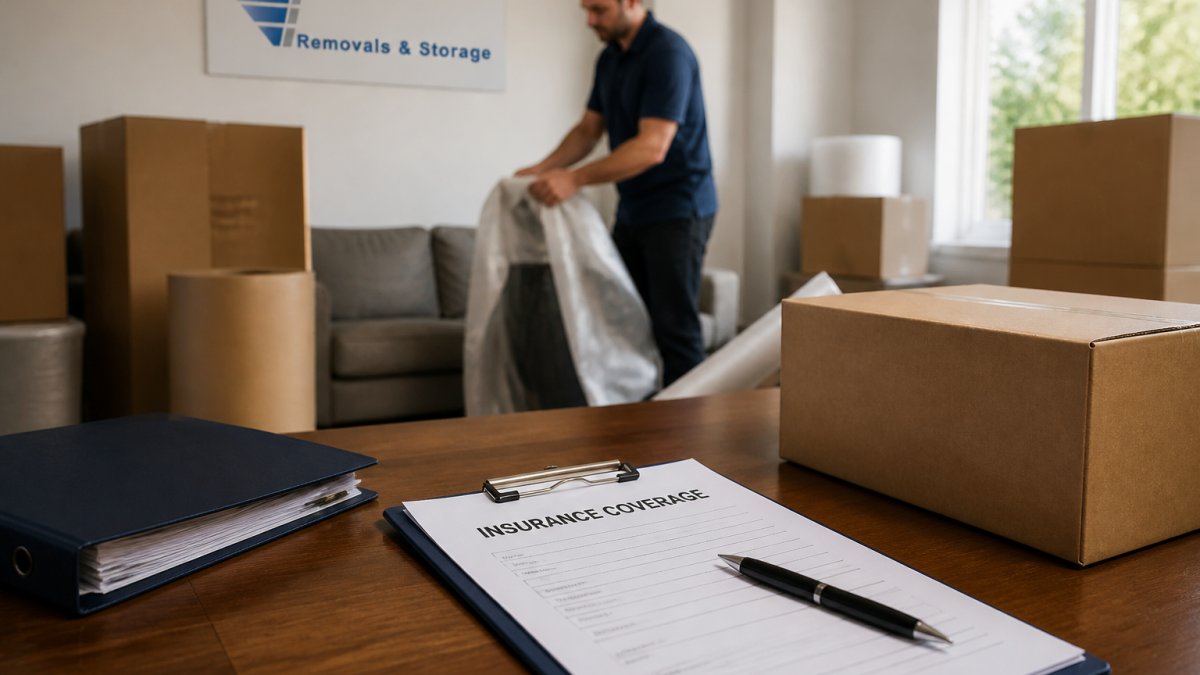
Confirm your removal company holds Goods in Transit Insurance and Public Liability Insurance, this protects your belongings during transport. Check your home insurance covers the moving period; some policies require notification of your moving date. If using storage, verify the provider has appropriate cover for items in transit and at rest. Request copies of insurance certificates from your removal company before the move begins.
Moving house in 2026 doesn't have to be chaotic. A thorough moving house checklist, combined with professional support from Fletcher Removals and Storage, ensures your belongings arrive safely and you settle into your new home without the stress. Our team offers comprehensive packing services, secure transport with full insurance coverage, and flexible storage options for those between-property periods. Contact us today for a no-obligation quote and let us handle the heavy lifting, literally.