 how-to
How to Pack Fragile Items for Moving: 2026 Guide
Table of Contents
- Gather the Best Packing Materials for Fragile Items
- How to Pack Plates for Moving Without Breakage
- Step-by-Step Guide to Pack Fragile Items for Moving
- Packing Fragile Items Without Bubble Wrap: Smart Alternatives
- How to Label Moving Boxes for Fragile Items Clearly
- Common Mistakes to Avoid When Packing Breakables
- Conclusion: Pack With Confidence or Let Professionals Handle It
- Frequently Asked Questions
Last Updated: September 6, 2026
Learning how to pack fragile items for moving is about understanding that the box is a system, not just a container. The goal is to eliminate movement entirely, because most breakage happens during transit, not from impact. In this guide from Fletcher Removals and Storage, we break down the exact materials, wrapping techniques, and labelling strategies that keep your glassware, china, and heirlooms safe, whether you are doing it yourself or preparing items for a professional crew.
Most people assume that wrapping an item in a sheet of newspaper is enough. It is not. The real secret is creating layers of protection that absorb shock and prevent items from touching each other. If you follow the steps below, you can dramatically reduce the risk of arriving at your new home to the sound of broken ceramics rattling in a box.
Gather the Best Packing Materials for Fragile Items
The best packing materials for fragile items are not the most expensive ones; they are the ones that provide cushioning, support, and a barrier against moisture. You need a mix of materials to handle different shapes and weights.
Boxes, paper, and tape: the essentials
Start with a strong, double-walled cardboard box. A single-walled box will buckle under the weight of heavy plates or books. You also need:
- Packing paper (not newspaper, which can smudge ink onto your items)
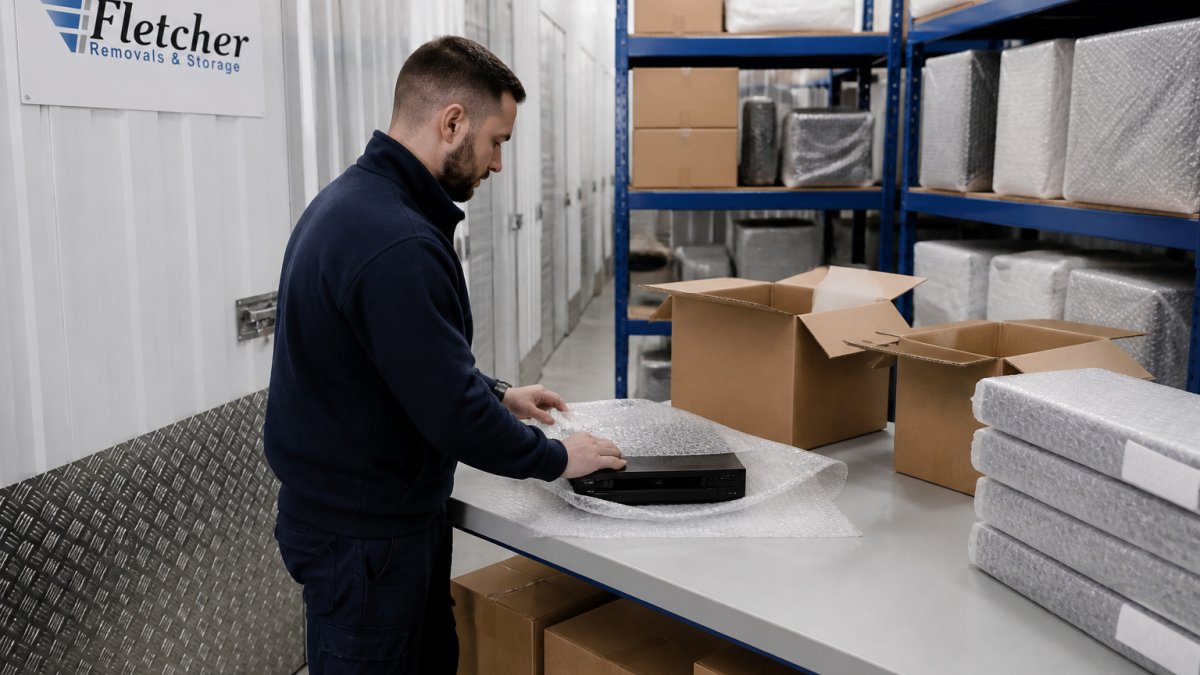
- Bubble wrap for high-value or extremely delicate pieces
- Strong packing tape (at least 48mm wide)
- A marker for labelling the box clearly
A common mistake is using a box that is too large. If there is too much empty space, the contents shift and collide. If the box is too small, you cannot add enough cushioning. Aim for a box that fits your items with room for a 5-8cm layer of crumpled paper on all sides.
How to Pack Plates for Moving Without Breakage
The correct way to pack plates is vertically, like records in a crate, rather than stacked flat (move.org). This is the single most important tip for how to pack plates for moving without breakage, because a vertical plate can absorb vertical shocks, whereas a flat stack transfers all the weight to the bottom plate.
Here is the process:
- Place a crumpled sheet of paper on the bottom of the box for a cushion.
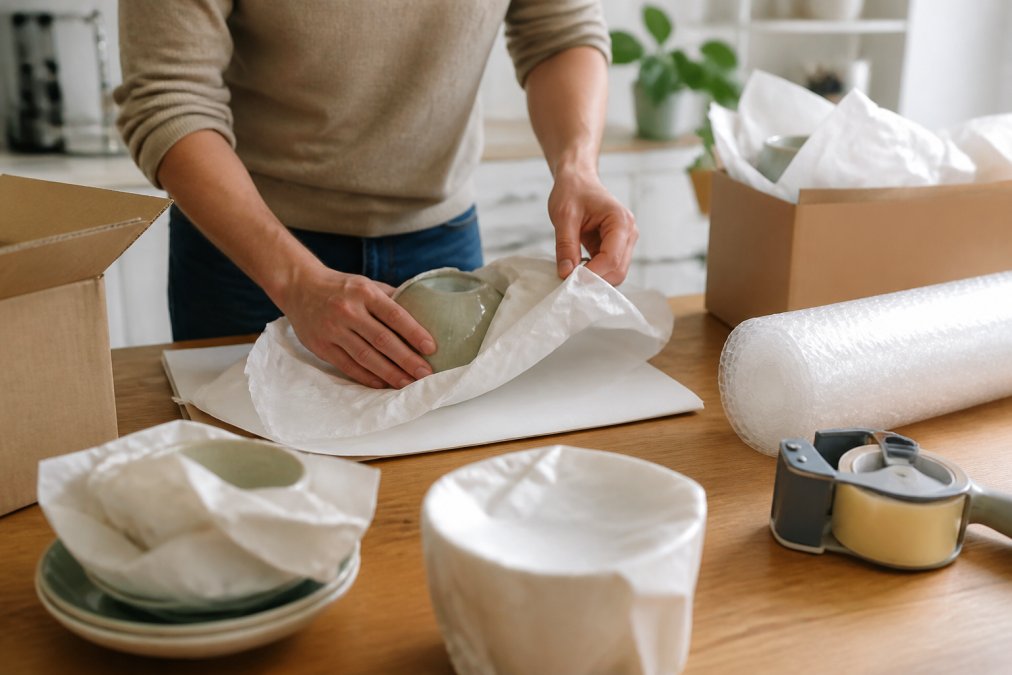
- Wrap each plate individually. Centre the plate on a sheet of paper, fold the corners over, and tape it closed.
- Stand the wrapped plates on their edges, side by side.
- Fill the gaps between plates with crumpled paper or small bubble wrap sheets.
- Add a final layer of crumpled paper on top before sealing.
Step-by-Step Guide to Pack Fragile Items for Moving
This step-by-step guide to pack fragile items for moving works for everything from wine glasses to porcelain figurines. The principle is the same: create a cushion, wrap the item, fill the void, and secure the box. Preparation is the key to a stress-free move.
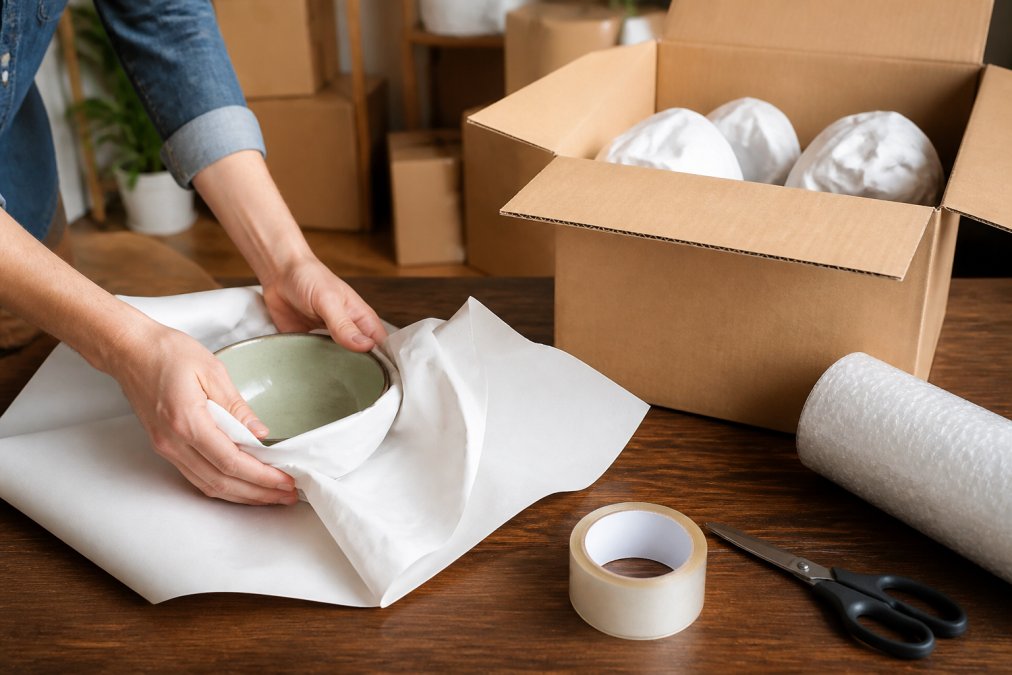
Wrapping techniques for glassware and china
For glasses, start at the rim and work your way down to the base in a diagonal spiral. This creates a uniform layer of paper that protects the entire surface. For stemware, wad a small piece of paper inside the bowl of the glass to support the stem from within, then wrap the outside.
For china and decorative pieces, use the "butterfly" fold. Lay the item in the centre of a large sheet, bring two opposite corners together over the top, and tuck the remaining corners underneath. This creates a secure parcel with no loose paper flapping around.
Securing the box correctly
Once the box is full, it should feel firm when you press on the top. If it feels spongy, add more paper. Tape the top closed in an "H" pattern: one strip across the centre seam, and one strip across each of the two flaps on the ends. This distributes the stress and prevents the flaps from popping open.
Packing Fragile Items Without Bubble Wrap: Smart Alternatives
If you have run out of bubble wrap, you can still pack fragile items without bubble wrap using household materials that offer similar protection. The key is to use materials that are soft, slightly springy, and do not hold moisture.
Good alternatives include:
- Clean tea towels and dishcloths: excellent for wrapping individual items
- Socks and jumpers: ideal for filling gaps and cushioning odd shapes
- Shredded paper: use it loosely to fill voids, never tightly packed
- Packing peanuts: if you have them, they are excellent for void fill
A common mistake is using newspaper as a wrapping layer directly against glass or polished surfaces. The ink can transfer and stain your items. If newspaper is your only option, wrap the item first in a sheet of plain kitchen roll or a clean cloth, then use newspaper for the outer layer.
How to Label Moving Boxes for Fragile Items Clearly
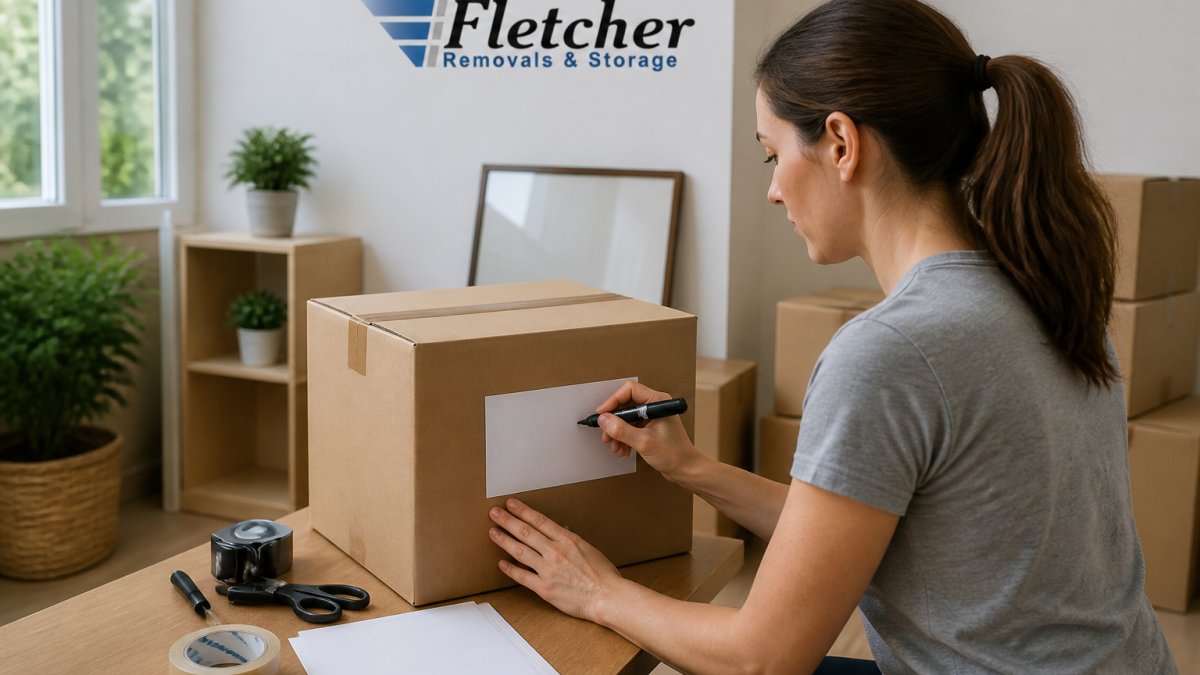
Clear labelling is more than writing "FRAGILE" on the side. When you learn how to label moving boxes for fragile items clearly, you are communicating two things: the contents are breakable, and the box needs to stay upright. This is critical for anyone carrying the box.
Write "FRAGILE" on two adjacent sides and on the top. Then add an arrow or write "THIS WAY UP" to indicate the correct orientation. Even better, write a brief description of the contents, such as "Kitchen: Wine Glasses" so you know where it goes in the new house without opening it.
Common Mistakes to Avoid When Packing Breakables
Many people make the same errors when packing breakables, and they often lead to heartbreak on the other end. Being aware of these pitfalls will save you time, money, and your treasured possessions.
- Overpacking a box: If a box weighs more than about 15-20kg, it is too heavy (Industry benchmarks suggest). Heavy boxes are more likely to be dropped, and the items at the bottom will suffer.
- Leaving empty space: Any movement inside the box is an opportunity for breakage. Fill every gap.
- Using weak tape: Masking tape or parcel tape will not hold a heavy box together. Use purpose-made packing tape.
- Forgetting to reinforce the bottom: Tape the bottom of the box with an "H" pattern before you start packing, not just after you finish.
Another frequent issue is mixing heavy and light items. A heavy cast-iron pan should never share a box with delicate glassware, no matter how well the glass is wrapped. The weight of the pan will crush the lighter items during transit.
| Common Mistake | Why It Causes Breakage | The Fix |
|---|---|---|
| Stacking plates flat | Weight concentrates on the bottom plate | Pack plates vertically on their edges |
| Leaving empty space in the box | Contents shift and collide during transit | Fill all voids with crumpled paper |
| Using a box that is too large | Too much room for movement | Choose a snug fit with 5-8cm of cushioning |
| Mixing heavy and light items | Heavy items crush lighter ones | Keep heavy items in separate, smaller boxes |
Conclusion: Pack With Confidence or Let Professionals Handle It
Packing fragile items is a skill that takes time, patience, and the right materials. If you have a few boxes of delicate items, the methods above will serve you well. But if you are moving an entire household, the time and effort required can be overwhelming.
That is where a professional full packing service makes the difference. Our trained staff handle your fragile items with the same care you would, but with the speed and expertise that comes from doing it daily. We bring all the materials, use proven techniques, and our Goods in Transit Insurance means your belongings are covered on the road. Let us take the stress out of your move so you can focus on settling into your new home.
Frequently Asked Questions
What is the best way to pack fragile items for moving?
Start with the right supplies: sturdy double-walled boxes, heavy-duty packing paper, and strong tape. Wrap each item individually, using several layers of paper. Crumple paper to fill empty spaces in the box, so items cannot shift. Place heavy items at the bottom and lighter ones on top. Always label the box clearly on all sides and keep the total weight manageable. If you feel unsure about a valuable or awkward item, professional packers can handle it for you.
Can I pack fragile items without bubble wrap?
Yes. Bubble wrap is effective, but you can pack fragile items without bubble wrap using items you already own. Clothes, tea towels, and bedding make excellent soft padding between plates and bowls. Newspaper works, but the ink can transfer onto your items, so use plain packing paper for the first layer. For glasses, scrunch paper inside the glass to support the rim. The key is creating a cushioning layer that absorbs shocks during transit.
Should I label boxes containing fragile items?
Absolutely. Labelling every box that contains breakables is essential for a safe move. Write 'FRAGILE' on the top and at least two sides, so it is visible regardless of how the box is stacked. Add a brief note like 'Kitchen - Glasses' to help you unpack efficiently. Avoid overpacking a labelled box, as heavy boxes are more likely to be dropped. Clear labelling also helps removal crews place these boxes in the safest position in the van.
How do you pack plates for moving to prevent damage?
Stack plates vertically, like records, rather than flat on top of each other. Wrap each plate individually in packing paper, then place them in a sturdy box lined with crumpled paper. The vertical position spreads pressure evenly and reduces the risk of cracking. Place a layer of crumpled paper between each wrapped plate. Fill any gaps at the top of the box so the contents do not shift during transit.
Get started with Fletcher Removals and Storage and let our team handle the packing, moving, and storage so your fragile items arrive safe and sound. Request your free, no-obligation quote today.