 how-to
How to Assemble Flat Pack Furniture Safely
Table of Contents
- Preparing Your Space and Checking Contents
- Essential Flat-Pack Furniture Assembly Tools
- Step-by-Step Assembly Process
- How Long Does Flat-Pack Furniture Take to Assemble
- Common Flat-Pack Furniture Assembly Mistakes to Avoid
- How to Secure Furniture to the Wall
- When to Call a Professional
- Frequently Asked Questions
Last Updated: 5 October 2026
Preparing Your Space and Checking Contents
Before you start to assemble flat pack furniture safely, clear a large, clean area on the floor. This gives you room to lay out all the pieces and work comfortably. Remove any obstacles or clutter that could cause trips or falls.
Check the contents against the packing list. Make sure every part is there before you begin. Look for damage during transit, dented panels, bent metal brackets, or cracked wood. If anything is damaged, contact the supplier before assembly starts.
Gather all the tools you'll need in one spot. Having everything within arm's reach means you won't have to leave your work area halfway through. Good lighting is essential. Work in natural daylight if possible, or use a bright lamp. Poor lighting leads to mistakes and missed instructions.
Essential Flat-Pack Furniture Assembly Tools
The right tools make the job faster and safer. Most flat pack furniture comes with an Allen key or screwdriver, but having your own set prevents frustration if the included tool breaks or doesn't fit properly.
You will need:
- A cordless drill or screwdriver (saves time and reduces hand strain)
- A set of Allen keys in different sizes
- A hammer for tapping dowels and connectors into place
- A spirit level to check that shelves and frames are straight
- A tape measure to verify dimensions before final assembly
- A soft cloth or rubber mallet to avoid damaging surfaces
- Work gloves to protect your hands from splinters
A cordless drill is worth the investment if you assemble furniture regularly. It speeds up screw insertion and reduces the risk of your hand slipping. Avoid power tools that are too aggressive, they can strip screw heads or crack wood panels.
Keep the tools clean and in good condition. Dull or damaged tools slip more easily and cause injuries. Replace worn bits and check batteries before you start.
Step-by-Step Assembly Process
Reading Instructions Carefully
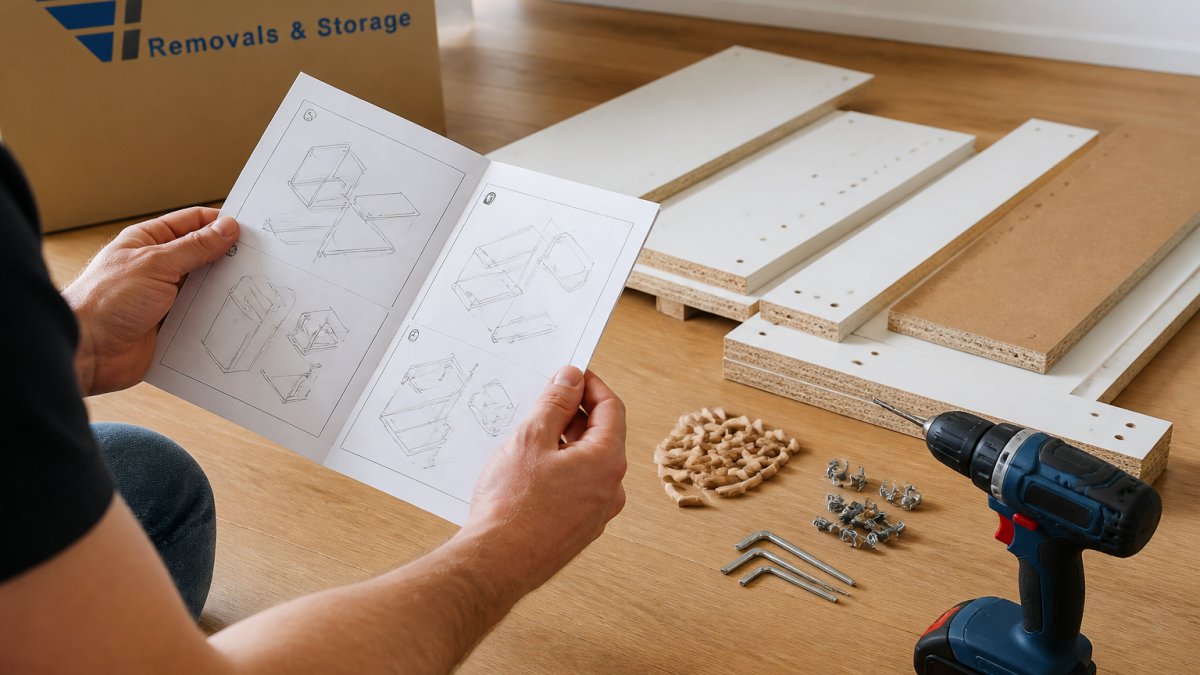
The instruction manual is your guide. Read it completely before you pick up a single tool. Most manuals use diagrams rather than words, which means you need to study each image carefully.
Check that the diagram matches the part you're holding. Manufacturers sometimes use the same manual for multiple products. A small detail in the image can change the entire assembly sequence. If the manual is unclear, search online for a PDF version or watch a video tutorial from the manufacturer.
Identify which parts are load-bearing and which are decorative. Load-bearing parts, like the frame of a shelf or the back panel of a cabinet, carry weight and must be assembled with precision. Decorative elements have more tolerance for slight misalignment.
Assembling the Frame and Structure
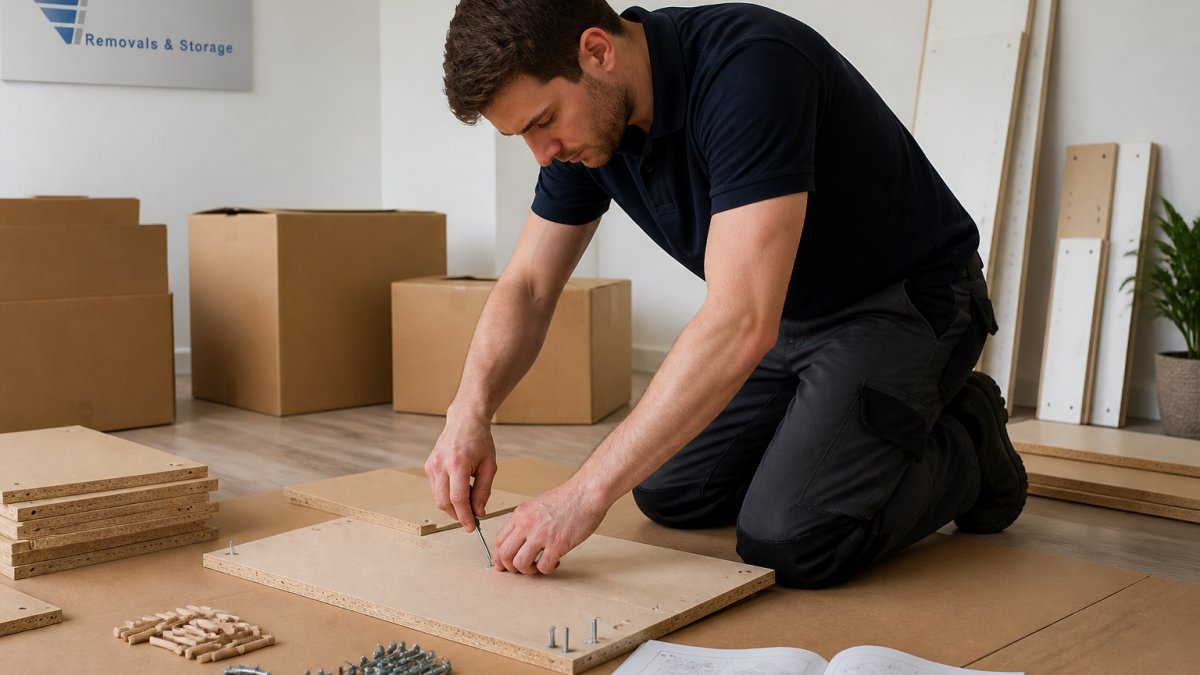
Start with the main frame. This is usually the first section in the instructions and forms the skeleton of the piece. Insert dowels into pre-drilled holes and attach panels with screws.
Dowels are small wooden pegs that reinforce joints. Push them in by hand first, then tap gently with a rubber mallet. Do not hammer hard, you can split the wood or misalign the joint. The dowel should sit flush with the surface.
Check for square as you go. A frame that is not square will wobble and may collapse under weight. Use a spirit level or measure the diagonals, if both diagonals are equal, the frame is square.
Tighten screws firmly but do not over-tighten. Stripping the screw head or cracking the wood around it weakens the joint. If a screw feels tight, stop and check that it's in the right hole.
Attaching Panels and Hardware
Once the frame is square and stable, attach side panels and shelves. These distribute weight across the structure and prevent tipping.
Use the correct screw length. Screws that are too long will poke through the back of the panel. Screws that are too short will not grip properly. The instruction diagram shows the correct screw for each joint.
Hardware like handles, hinges, and brackets should be attached last. This prevents damage during the main assembly. Check that hinges move freely and handles are secure before you finish.
Metal brackets and L-shaped connectors reinforce corners and prevent racking (twisting). Install them on the inside of the frame where they are hidden and cannot be accidentally bumped.
Final Checks and Stability Testing
Before you consider the job done, test the stability of the assembled piece. Push gently on the top corners. There should be no movement or creaking.
Check that all drawers slide smoothly and close without binding. Doors should hang straight and not swing open on their own. Shelves should be level and not sag under their own weight.
Tighten any loose screws you find. Over time, vibration and movement can loosen fasteners. A final check prevents problems later.
How Long Does Flat-Pack Furniture Take to Assemble
Assembly time depends on the size and complexity of the piece. A simple bookshelf might take 30 to 45 minutes. A bed frame with a headboard or a large wardrobe can take 2 to 3 hours or longer.
The first time you assemble a particular brand or style, it takes longer. You are learning the manufacturer's system and conventions. The second time, you work faster because you know what to expect.
Interruptions and poor lighting add time. Working in dim conditions forces you to re-read instructions and check your work more often. A clear workspace and good tools cut assembly time in half.
Do not rush. Hurrying leads to mistakes, misaligned joints, stripped screws, or parts assembled in the wrong order. It is better to spend an extra 20 minutes and do the job right than to finish quickly and have a wobbly, unsafe piece of furniture.
Common Flat-Pack Furniture Assembly Mistakes to Avoid
Skipping the instructions is the most common mistake. Many people glance at a diagram and think they understand the process. Then they assemble parts out of order or miss a critical step.
Mixing up similar-looking parts causes problems. Shelves, panels, and supports can look alike, especially in large flat pack furniture kits. Label parts as you identify them, or lay them out in the order shown in the manual.
Over-tightening screws strips the wood or cracks the panel. A screw should be snug but not forced. If resistance increases suddenly, stop and check that the screw is not cross-threaded.
Ignoring the spirit level results in unstable, wobbly furniture. A shelf that is not level will sag over time. A frame that is not square will twist and may collapse.
Assembling in poor light leads to errors and safety risks. You cannot see what you are doing, so you make mistakes. You also risk dropping tools or tripping over parts.
How to Secure Furniture to the Wall
Large pieces like tall wardrobes, bookcases, and cabinets must be secured to the wall. A child or pet jumping on a shelf can topple an unsecured unit and cause serious injury.
Use a wall anchor that matches your wall type. Plasterboard walls require expanding anchors or toggle bolts. Solid brick or concrete walls need masonry anchors. Check what is behind your wall before you drill.
Attach a metal bracket to the back of the furniture using the pre-drilled holes or by drilling new ones. The bracket should be positioned high on the back panel, near the top. Run screws through the bracket into the wall studs if possible. If studs are not available, use heavy-duty wall anchors rated for the weight of the piece.
Check the weight rating of your anchors. A tall bookshelf filled with books can weigh 50 kg or more. Standard anchors are not strong enough. Use anchors rated for at least twice the weight of the furniture.
Test the installation by pushing firmly on the top corners. There should be no movement. If the furniture shifts, the anchors are not secure enough. Remove and reinstall with stronger fasteners.
When to Call a Professional
Some assembly jobs are too complex or too heavy for a single person to manage safely. If you are uncomfortable working at height, have mobility issues, or lack the tools to do the job properly, professional help is a good choice.
At Fletcher Removals and Storage, we offer furniture assembly services for customers who have received new pieces as part of a house move or relocation. Our trained staff can handle complex wardrobes, bed frames, and large cabinets safely and efficiently. We bring the right tools and know the common pitfalls that cause problems.
Very heavy pieces like solid wood tables or large office desks require at least two people. A single person trying to hold a heavy panel while fastening it is at risk of dropping it or losing balance. If you do not have a helper, ask a friend or hire a professional.
Damaged or missing parts should not be assembled. Contact the supplier or manufacturer for replacements before you start. Trying to work around missing components leads to an unstable, unsafe final product.
Assembling flat pack furniture safely is about preparation, patience, and attention to detail. Clear your space, read the instructions thoroughly, use the right tools, and check your work as you go. If you are moving house or relocating an office and need professional help with furniture assembly or dismantling, Fletcher Removals and Storage provides expert services across the region. Contact us for a quote tailored to your moving needs.
Frequently Asked Questions
What tools do I need to assemble flat-pack furniture safely?
Essential tools include a screwdriver (Phillips and flathead), an Allen key set, a hammer, a spirit level, and a tape measure. Most flat-pack furniture comes with some fixings, but having a cordless drill saves significant time. A rubber mallet helps tap pieces together without damaging panels. Check the instruction manual before starting, as some pieces may require specialist tools. Having the right equipment prevents frustration and reduces the risk of damaging the furniture or injuring yourself.
How long does flat-pack furniture take to assemble?
Assembly time varies considerably depending on the piece's complexity and your experience. A simple bookshelf may take 30 minutes, whilst a wardrobe or bed frame typically requires 1-3 hours. More complex items like kitchen units can take 4+ hours. Having a second person speeds up the process by 25-40% for most pieces. Working methodically through the instructions, rather than rushing, actually saves time by preventing mistakes that require disassembly and repair.
How can I stop flat-pack furniture from tipping over?
Always secure tall furniture, especially wardrobes and shelving units, to the wall using appropriate fixings for your wall type. Use wall anchors rated for the furniture's weight, and ensure fixings are at least 150mm from the top of the piece. Check that all base feet are level using a spirit level before securing. Never place heavy items on high shelves, and avoid overloading shelves beyond their stated weight limit. Tipping is a serious safety hazard; securing furniture to the wall is essential in homes with children or pets.
What are the most common mistakes when assembling flat-pack furniture?
The biggest mistakes include skipping the instruction manual, assembling parts in the wrong order, and over-tightening screws or bolts, which can crack panels. Many people fail to check that pieces are square and level during assembly, leading to wobbly furniture. Forgetting to secure tall items to the wall is dangerous. Rushing the process causes stripped screw holes and damaged dowels. Taking time to read instructions fully, assembling in the correct sequence, and checking stability as you go prevents most problems and ensures your furniture is safe to use.