 ultimate-guide
Secure Furniture Storage for Homeowners: A Complete Guide
Table of Contents
- Why Secure Furniture Storage Matters for Homeowners
- Types of Secure Furniture Storage Solutions
- How to Prepare Furniture for Storage
- Climate Controlled Storage Benefits
- Self-Storage Insurance Requirements
- Key Security Features to Look For
- Finding a Reliable Storage Provider
- Frequently Asked Questions
Last Updated: September 26, 2026
Why Secure Furniture Storage Matters for Homeowners
Protecting your belongings during a house move or life transition requires more than just finding space in a warehouse. Secure furniture storage for homeowners has become essential, particularly when relocating, downsizing, or navigating temporary housing gaps. Whether you're moving house, storing seasonal items, or managing a major life change, the right storage solution keeps your furniture safe from damage, theft, and environmental harm.
At Fletcher Removals and Storage, we understand the anxiety that comes with entrusting your possessions to someone else. Your furniture represents more than just physical objects, it holds memories, has monetary value, and often includes items you cannot easily replace. The difference between standard storage and secure furniture storage lies in the protection measures, climate control, insurance coverage, and professional handling that safeguard your investment throughout the storage period.
Many homeowners underestimate how much damage can occur during storage. Temperature fluctuations, humidity, pests, and poor handling can compromise furniture condition within weeks. Professional secure storage facilities address these risks systematically, giving you peace of mind whilst your life circumstances change.
Types of Secure Furniture Storage Solutions
Secure furniture storage for home owners comes in several formats, each suited to different needs and timescales. Understanding the options helps you select the approach that fits your situation.
Container storage offers flexibility and convenience. Your furniture is packed into a secure container at your home or our facility, then stored in a protected warehouse environment. This works well for moves lasting several weeks to several months, as you control the packing process and can access your items with notice. Container storage suits homeowners who want their belongings kept together and identifiable.
Self-storage units provide direct access to your items. You rent a secure, individual unit and can visit whenever needed during access hours. This option appeals to people storing furniture for extended periods or who need frequent access. Self-storage units range from climate-controlled to standard, depending on your protection requirements and budget.
Full-service warehouse storage handles everything, collection, packing, storage, and delivery. This comprehensive approach eliminates the physical labour and decision-making, ideal for busy professionals or those managing complex moves. Fletcher Removals and Storage offers onsite warehouse storage (container and self-storage).
Climate-controlled facilities maintain stable temperature and humidity levels, protecting delicate wood furniture, upholstered pieces, and valuable antiques from warping, cracking, and deterioration. Standard storage exposes items to seasonal temperature swings that can cause significant damage over months.
The choice depends on your storage duration, access needs, furniture type, and budget. A six-week gap between properties suits container storage. Long-term storage of valuable or delicate pieces warrants climate-controlled warehouse facilities.
How to Prepare Furniture for Storage
Proper preparation before storage prevents damage and makes retrieval straightforward. Taking time at this stage protects your investment and simplifies the entire process.
Clean everything thoroughly before storage begins. Dust, food residue, and stains attract pests and can become permanent if left in storage. Wipe down wooden furniture, vacuum upholstered pieces, and ensure all surfaces are completely dry. Moisture trapped on furniture during storage promotes mould growth and wood rot.
Disassemble large pieces where practical. Beds, dining tables, and shelving units take less space when broken down, reducing storage costs and damage risk during handling. Keep all hardware, bolts, screws, and brackets, in clearly labelled bags taped to the corresponding furniture piece or stored in a single container marked with contents.
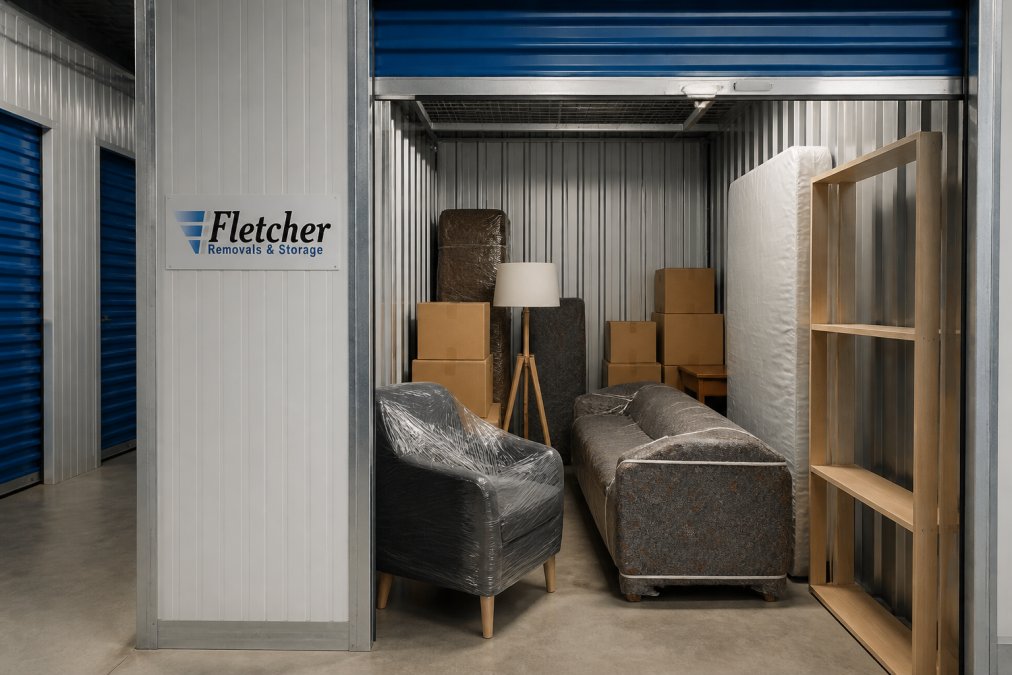
Protect surfaces and joints using appropriate materials. Wrap wooden furniture in blankets or furniture pads, never plastic sheeting, which traps moisture. Use corner protectors on edges and legs. For upholstered items, breathable fabric covers prevent dust accumulation without moisture problems.
Photograph everything before packing. Take clear photos of furniture condition, including any existing damage. This documentation protects you against false damage claims and provides evidence for insurance purposes. Store these photos digitally and keep a printed copy with your storage records.
Remove items that shouldn't be stored. Perishables, hazardous materials, plants, and anything with strong odours damage other items and violate storage facility policies. Empty all drawers and shelves. Food particles and moisture create pest problems affecting all stored items.
Label boxes and furniture clearly. Use a consistent system, room names, item descriptions, and box numbers. This makes retrieval efficient and helps staff handle items appropriately. Fragile items need obvious labelling so handlers exercise appropriate care.
Preparation takes time but prevents costly damage and complications later. Professional removals firms often handle preparation as part of their service, ensuring items are stored correctly from the outset.
Climate Controlled Storage Benefits
Climate-controlled storage maintains consistent temperature and humidity, protecting furniture from the environmental damage that occurs in standard facilities. Understanding these benefits helps you decide whether the additional investment suits your situation.
Temperature fluctuations cause wood to expand and contract, leading to warping, splitting, and joint separation. Humidity changes affect upholstered fabrics, leather, and veneer finishes. Climate control prevents these cycles, keeping your furniture stable and protected. Items stored for six months or longer in standard conditions often show visible damage, warped tabletops, loose joints, discoloured fabric.
Delicate and valuable pieces particularly benefit from climate control. Antique furniture, leather goods, artwork, and high-quality upholstery suffer permanent damage in uncontrolled environments. If your stored items include family heirlooms or investment-quality furniture, climate control becomes essential rather than optional.
Moisture control prevents mould, mildew, and pest infestations. Standard storage facilities experience seasonal humidity swings that create conditions favouring fungal growth and insect activity. Climate-controlled environments maintain humidity within safe ranges, protecting both furniture and surrounding items.
Climate control also protects electronic components within furniture, motorised recliners, adjustable bed bases, and furniture with built-in lighting or charging ports. Humidity and temperature extremes damage these mechanisms, rendering them inoperable.
The cost difference between standard and climate-controlled storage varies by facility and location, but many homeowners find it worthwhile for storage periods exceeding three months. For short-term moves or non-valuable items, standard storage may suffice. For anything you plan to keep long-term or anything with significant monetary or sentimental value, climate control provides essential protection.
Self-Storage Insurance Requirements
Understanding insurance coverage is crucial before placing furniture in storage. Many homeowners mistakenly assume storage facilities carry full liability for damage or loss, which is rarely the case.
Most storage facilities provide basic liability coverage, but this typically covers only accidental damage caused by facility negligence, not general wear, environmental damage, or theft. Your personal contents insurance may not cover stored items either, depending on your policy terms. Checking your existing coverage before storage begins prevents gaps that leave you unprotected.
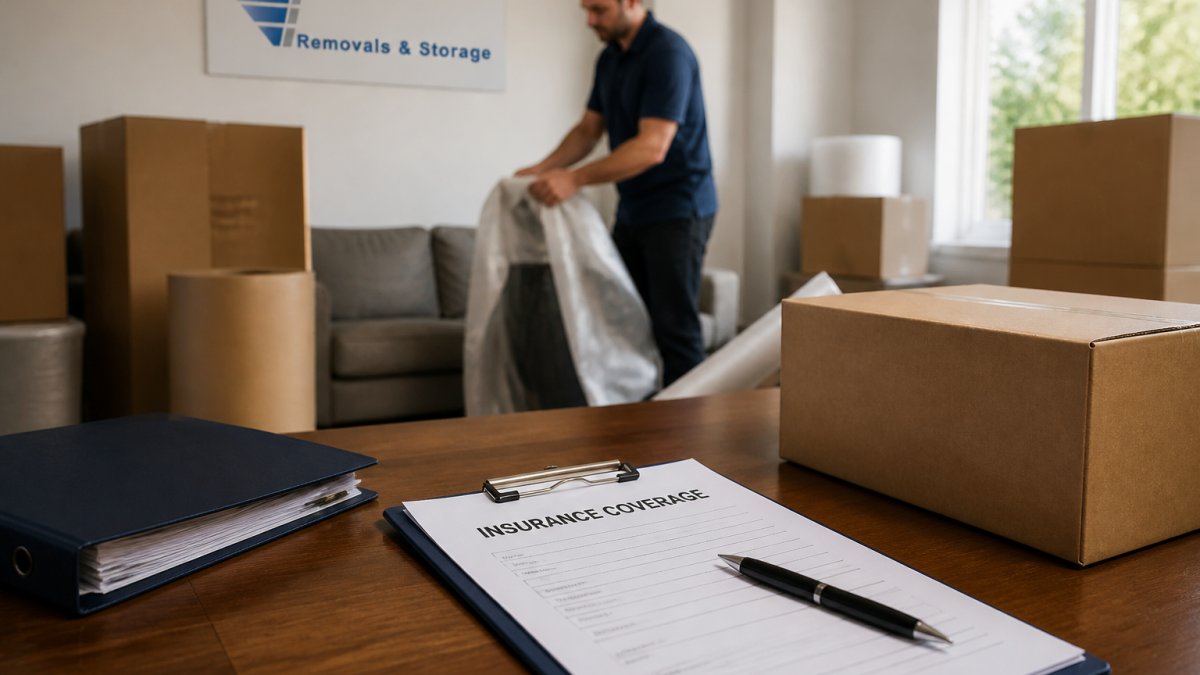
Professional removals companies like Fletcher Removals and Storage carry Goods in Transit Insurance and Public Liability Insurance, which protects your items during collection, packing, and transport to storage. However, this covers the moving process specifically, not items stored long-term.
For stored furniture, you have several options. Some homeowners extend their home contents insurance to cover storage, though this often requires notification and may incur additional premiums. Others purchase storage-specific insurance through the facility itself. Storage facility insurance typically covers theft, fire, and weather damage but excludes damage from poor packing or environmental conditions.
When arranging storage, ask the facility explicitly what their liability covers and what it excludes. Request documentation of their insurance and coverage limits. Discuss whether your items are covered for theft, fire, water damage, and pest damage. Clarify whether coverage applies to items in transit or only whilst stored.
For valuable furniture, purchasing additional coverage through the storage provider or a separate insurer provides peace of mind. The cost is modest compared to the potential loss if uninsured items are damaged or stolen.
Key Security Features to Look For
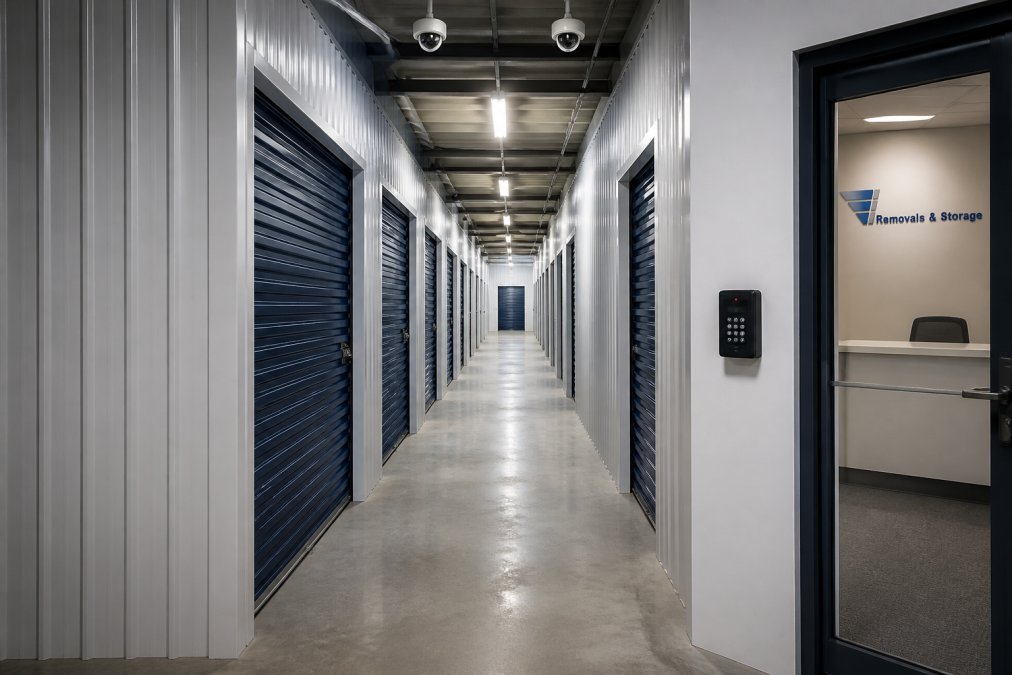
Evaluating security features helps you choose a facility that genuinely protects your belongings rather than just claiming to. Real security involves multiple layers, not a single measure.
24-hour surveillance via CCTV cameras covering all storage areas, entry points, and common spaces provides constant monitoring and recorded evidence if incidents occur. Quality systems include multiple camera angles, adequate lighting, and footage retention for extended periods. Ask whether surveillance is live-monitored or recorded only.
Access control systems restrict entry to authorised individuals. Modern facilities use keycard, PIN code, or biometric access rather than traditional keys. This creates an audit trail showing who accessed the facility and when. Restricted access prevents unauthorised entry and limits theft risk significantly.
Individual unit locks should be high-quality padlocks or facility-provided locks, not flimsy chain locks. Some facilities require their own locks to maintain security standards. Sturdy locks deter casual theft and indicate professional security standards.
Perimeter security including fencing, gates, and lighting deters break-ins and theft. Well-lit facilities are less attractive to thieves than poorly lit ones. Secure gates prevent unauthorised vehicle access to the storage area.
Staff presence during business hours adds a human element to security. Facilities with on-site staff notice suspicious activity, respond to emergencies, and provide accountability. Unstaffed facilities relying solely on technology miss the human oversight that catches problems.
Insurance and licensing demonstrate that the facility meets industry standards and carries appropriate coverage.
Finding a Reliable Storage Provider
Selecting the right storage provider involves more than comparing prices. Your choice affects how well your furniture is protected and how smoothly the storage process proceeds.
Frequently Asked Questions
What security features should I look for in a secure furniture storage facility?
Look for 24/7 CCTV monitoring, access control systems with individual PIN codes or key cards, on-site staff during business hours, and perimeter fencing or secure entry gates. The facility should also have fire detection and suppression systems, and staff should conduct regular security patrols. Ask whether the provider carries Goods in Transit Insurance and Public Liability Insurance, this protects your items if damage occurs.
How do I prepare furniture for storage to prevent damage?
Clean all items thoroughly before storage to prevent dirt and pests. Disassemble larger pieces where possible. For wooden furniture, ensure all surfaces are completely dry. Protect surfaces and joints using appropriate materials.
Is it necessary to have insurance for furniture in storage?
Yes, insurance is essential. Your home contents insurance typically does not cover items in external storage. Verify that your storage provider carries Goods in Transit Insurance and Public Liability Insurance. Some providers offer optional contents insurance for stored items. Review the coverage limits and what is included, most policies cover accidental damage, theft, and fire. Ask for proof of insurance before signing any agreement.
Should I use climate-controlled storage for my furniture?
Climate-controlled storage is highly beneficial for valuable or sensitive furniture. It maintains stable temperature and humidity levels, preventing wood from warping, leather from cracking, and fabric from deteriorating. This is especially important for antique furniture, upholstered pieces, and items made from natural materials. Standard storage may expose furniture to temperature fluctuations and moisture, which can cause permanent damage over months or years.